

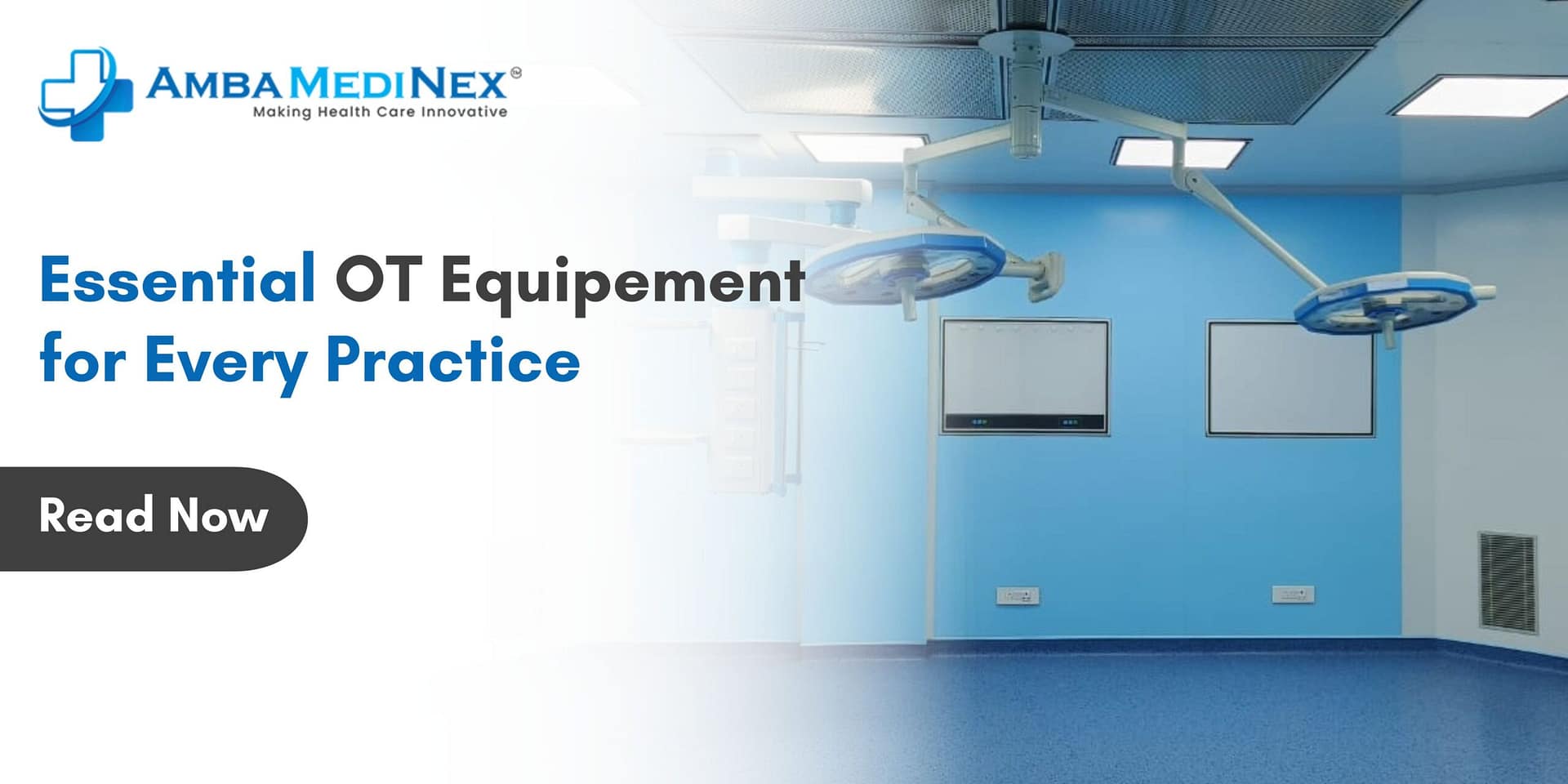
Operation theatres are the most vital part of any health facility. A carefully planned approach assures efficient processes, decreases the risk of surgery and aids medical teams in complex procedures. This blog will explain the most important aspects that are required in modern medical practices, and explain how each plays an important role in the care of patients.
Importance of a Well-Equipped Operation Theatre
A well-organized company isn’t just concerned with meeting regulatory requirements. A lack of or an obsolete system can cause delays, complications, or poor care.
1. Operation Theatre Tables and Lighting Systems
The surgical tables and the lighting are the basis of any OT set-up.
- Tables for operation that can be adjusted to suit various surgical positions
- Mobile or ceiling-mounted OT lights
- Systems of lighting that do not have shadows
- Backup lighting to power outages in an emergency
Superior lighting ensures a clear and precise view of the surgical field. This makes operation theatre equipment indispensable in any.
2. Anesthesia and Airway Management Equipment
Anesthesia safety is crucial in any surgical procedure.
- Anesthesia workstations
- Ventilators
- Gas supply systems
- Oxygen flow meters
- Airway management devices
These systems ensure patient stability during surgery and must be included in every normal.
3. Patient Monitoring Devices
Continuous monitoring allows surgeons to react quickly to changes in the condition of a patient.
- Multi-parameter monitors
- ECG machines
- Monitors of blood pressure
- Oxygen saturation monitors
- Systems for monitoring temperature
Monitoring equipment is one of the most commonly utilized to ensure the safety of patients from beginning to end.
4. Surgical Instruments and Support Equipment
Instruments for surgery vary based on the kind of procedure, however some equipment used for support remains the same.
- Instrument trolleys
- Mayo stands for
Suction machines
- Electrosurgical units
- The surgical microscope (for specific operations)
These instruments improve the accuracy and precision of surgery which makes them essential components.
5. Sterilization and Infection Control Systems
Prevention of infection is a major priority for the operating theatre.
- Autoclaves
- Washers for instruments
- UV sterilization units
- Laminar airflow systems
A complete isn’t complete without modern sterilization methods that guarantee an environment free of contamination.
6. OT Furniture and Storage Solutions
Well-designed OT Equipment can improve efficiency and decrease the need for unnecessary movement during surgery.
- Scrub stations
- Storage cabinets
- Medicine racks
- Waste disposal units
- Step stool
These components may appear as if they are to be a little nebulous, but they are essential to managing efficiently.
7. Emergency and Backup Systems
Theatres for opera must be ready for any unexpected situation.
- Defibrillators
- Emergency crash carts
- Backup power systems
- Alarms for gas leakage
Creating a Structured OT Equipment Reference
A majority of healthcare facilities would prefer keeping an to monitor inventory, schedule maintenance and make sure that the equipment is in good working order. The well-structured digital checklist aids administrators keep track of equipment information as well as plan upgrades and helps staff to be trained effectively.
Final Thoughts
An operating theatre that is fully functional relies on more than skilled surgeons. It demands reliable, high-end devices that are able to support each step of the procedure. From sterilization systems to anesthesia units, every item included in an appropriate order helps ensure the safety of patients and surgical accuracy as well as operational efficiency.